
Grim Soul: Dark Survival RPG
Brickworks Games LtdRole Playing
4.525.22K Reviews
- Version
- 8.3.1
- Installs
- 10.00M
- Age Rating
- Teen
Screenshots
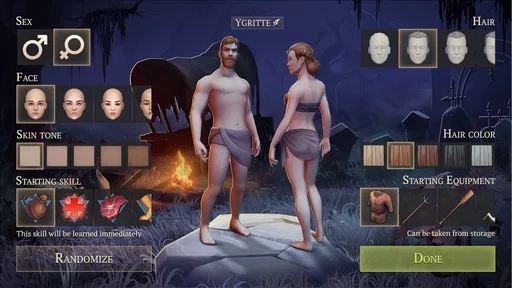
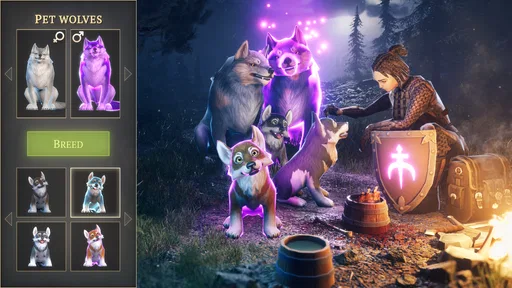
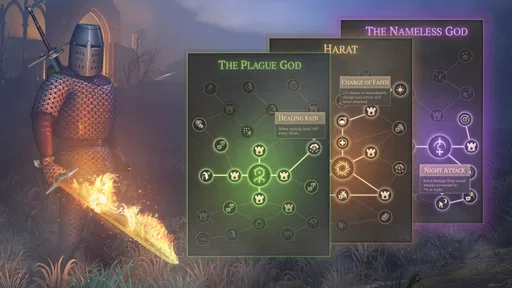
Our Review of Grim Soul: Dark Survival RPG
 Analysis by Appyee
I usually describe Grim Soul as a game to approach with patience rather than a quick win in mind. It is a dark fantasy survival role-playing game from Brickworks Games Ltd, and its appeal is the pressure of trying to make a little progress while the world remains dangerous. If you enjoy planning what to collect, when to leave safety, and when to turn back, Grim Soul: Dark Survival RPG has a strong hook. If you mainly want a relaxed game that lets you switch off, its demands may feel more like work than fun.
What the first hours ask of you
The useful expectation to set is that survival comes before spectacle. Early progress is built from small decisions: gathering materials, watching your character’s needs, and choosing which risks are worth taking. A trip that looks promising can become a bad trade if you stay out too long or bring the wrong supplies. I found that this cautious rhythm is what gives the game its tension, but it also means there is no guarantee that every short session will end with a satisfying haul.
Its medieval setting gives those routines a particular mood. This is not a bright fantasy adventure where danger exists mainly to make combat exciting; the bleak atmosphere makes the act of staying prepared feel central. The game is free to download, though it offers in-app purchases ranging from $0.49 to $299.99 per item. I would treat spending as optional and first see whether the basic survival loop itself suits you.
Getting started without making the opening harder
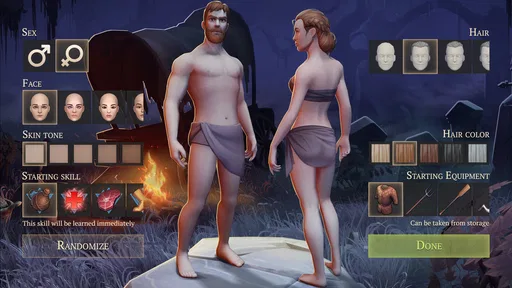
At the beginning, resist the urge to roam simply because the surrounding world is visible. Use early outings to learn what you can collect and what your character needs, then bring those lessons back to your shelter. I recommend thinking in terms of a short, purposeful run rather than a grand expedition: decide what you are looking for before leaving, and return when the trip stops being worth its risk.
This is also where a small routine helps. Before setting out, check your hunger and thirst, take stock of the resources you already have, and avoid carrying a plan that depends on finding one particular item. That last point matters because survival games can punish wishful thinking. A modest trip that ends with useful materials is a better first success than pushing too far for a dramatic fight.
Your first meaningful success is a safe return
New players may think a successful start means defeating a difficult enemy or finding rare loot. I would set a more practical goal: gather enough useful material to make progress at home and return alive. That teaches you the game’s basic rhythm—prepare, venture out, assess the danger, and decide whether to continue—without turning the first session into a test of bravado.
When I was learning, I got more value from noticing how much time I could safely spend away than from chasing every opportunity. If an outing has already provided something helpful, leaving early can be the clever move. The reward is not only what you bring back; it is learning to judge risk before a mistake makes the decision for you.
Into the Gritty World of Grim Soul
From the moment you dive into Grim Soul: Dark Survival RPG, you're thrown into a medieval world that’s as captivating as it is perilous. The opening scenes set the tone perfectly, with a hauntingly beautiful landscape that’s both inviting and ominous. As you navigate through this dark universe, you quickly realize survival won’t be a walk in the park.
The game is set in a once-prosperous Imperial province, now shrouded in fear and darkness. Your mission is to survive as long as you can in this dangerous land by collecting resources, building a shelter, and battling enemies. And trust me, every decision counts.
Mastering the Art of Survival
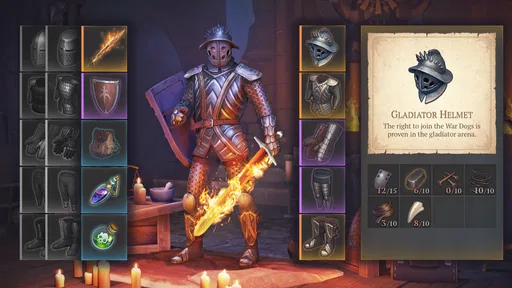
One of the things I love about Grim Soul is its depth. You're not just wandering around aimlessly; every step requires strategy. Right from the start, you'll need to gather basic resources like wood and stone to build tools and shelters. I found myself constantly strategizing on how to upgrade my base and craft better weapons. The crafting system is intuitive yet complex enough to keep you on your toes.
The game also introduces a hunger and thirst mechanic, adding another layer of realism to your survival journey. I often found myself balancing the need to explore with the necessity of keeping my character's stats in check. It’s all about priorities!
Make each return trip count
One non-obvious way to make the early loop less wasteful is to treat every journey as a question rather than a checklist: what do I need most, and what can I safely leave behind? If you already have enough of one material for the next useful task, gathering more of it may not be the best use of a risky outing. I try to identify a practical home-side goal first, then collect with that goal in mind. This keeps exploration from turning into aimless wandering and makes each return feel connected to visible progress.
There is a trade-off, though. Careful play can protect a run, but overplanning can make the game feel slow. I would not try to optimize every movement on a first visit; learn the basic threats and resource habits naturally, then become more selective once you understand what repeatedly costs you time or supplies. The game is more enjoyable when caution guides your choices without taking all the spontaneity out of them.
Combat rewards restraint as much as courage
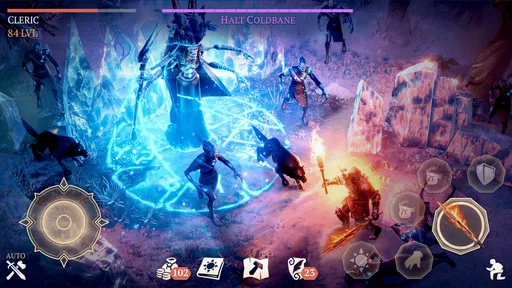
What’s a survival RPG without some formidable foes? In Grim Soul, you’ll encounter everything from wild animals to the undead and outlaws. Combat is straightforward but requires a good deal of timing and skill. My heart raced during some of the more intense battles, especially when I was low on health and resources.
The game also features dungeons, which I found to be a thrilling addition. These are filled with rare loot and tough enemies, providing a rewarding challenge for those brave enough to enter. Each dungeon run felt like a mini-adventure, complete with its own risks and rewards.
Choosing when not to fight
A useful lesson is that an enemy does not automatically become your next objective just because it is nearby. Before engaging, I consider whether the fight serves the purpose of the outing and whether I can afford the likely cost in health and resources. If I am already carrying something useful, avoiding an unnecessary battle may be more valuable than proving I can win it. That mindset makes combat feel like part of survival planning, not a separate arena where every encounter deserves a response.
Dungeons are a different kind of commitment from ordinary resource gathering. Their promise of valuable loot is appealing, but the tougher opposition means I would not use one as a casual test run when I am still learning the basics. I prefer to get comfortable with ordinary trips first, then approach a dungeon when I am willing to accept that the reward is uncertain and the risk is real. Players who want constant low-stakes action may find that tension stressful rather than exciting.
Make your shelter work for your play style
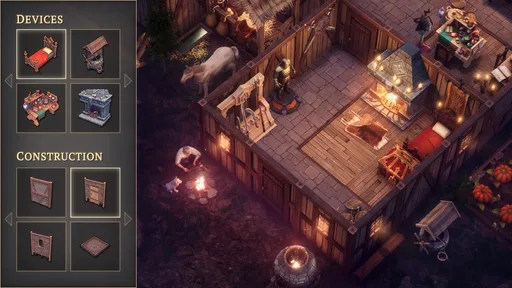
As you progress, you'll have the chance to transform your humble abode into a fortified stronghold. The building mechanics are robust, allowing for a great deal of customization. I spent countless hours tweaking my base, ensuring it was both functional and aesthetically pleasing.
Expanding your territory is crucial, as it allows you to gather more resources and defend against tougher enemies. It’s a satisfying loop of gathering, building, and defending that kept me engaged for hours on end.
Why the base matters between outings
Your shelter is more than a place to make the world look settled; it gives the gathering loop a purpose. I find it helpful to decide what I want to improve before I head out, then use what I bring home to support that next step. This turns building into a practical plan rather than an open-ended urge to collect everything. It also creates a useful stopping point for a short play session: finish a trip, put the gains toward a home improvement, and leave with a clear idea of what to do next time.
There is a limit to how satisfying that loop will feel for different players. If you like arranging and improving a base, the steady link between resource gathering and construction can be absorbing. If you would rather spend nearly all your time in story scenes or direct combat, the repeated return to materials and shelter may feel like an interruption. I would choose this over a more linear fantasy RPG only when the survival routine itself sounds appealing.
The atmosphere, and the practical trade-offs
Grim Soul doesn’t just play well; it looks and sounds stunning too. The graphics are beautifully rendered, with detailed environments that enhance the immersive experience. The sound design is equally impressive, with atmospheric music and effects that draw you deeper into the game’s world.
From the eerie whispers of the wind to the clashing of swords, every sound adds to the game’s haunting ambiance. I found myself playing with headphones just to soak in every detail.
That strong atmosphere is one reason I would pick it over a lighter, more cheerful survival game when I want a brooding medieval mood. The flip side is that the tone can make repeated resource runs feel heavier. If you want colorful exploration, frequent story beats, or a forgiving pace, a more conventional role-playing game may be a better match. Grim Soul asks you to enjoy the process of staying prepared, not just the payoff of a dramatic moment.
Where it fits among role-playing games
Compared with a typical action RPG, this game puts more weight on preparation and survival routines than on moving from one story encounter to the next. Compared with a casual crafting game, it makes gathering feel riskier because combat and basic needs are part of the same loop. That blend is its clearest strength, but it also narrows its audience: I would recommend it to someone who enjoys making careful choices under pressure, not to a friend looking for a gentle game to play while barely paying attention.
It has found a substantial audience, with an average rating of 4.5 from around 759,000 ratings and more than 10 million installs. Those figures suggest that the mix has broad appeal, but they do not change the personal fit question. The game is rated Teen, runs on Android 7.0 or later, and its current version is 8.0.0. Brickworks Games Ltd has kept it in the survival RPG space, where the main attraction is the repeated test of whether your preparation is good enough.
A realistic way to fit it into a day
For an everyday session, I would play with one modest aim rather than expecting to finish a major project. After a busy day, I might check what my shelter needs, take a short outing for a relevant resource, and stop once I have returned safely and used the materials. That gives the session a beginning and an end without requiring a long uninterrupted stretch. If I have more time and feel prepared, I can choose a riskier challenge instead of letting a quick visit drift into one.
This approach also answers a common concern about whether the game suits brief visits: its resource loop can be approached in small, purposeful chunks, but the tension does not disappear just because the session is short. I would avoid starting a demanding excursion when I know I need to put the phone down immediately. A safe return is a much better stopping point than leaving a run unresolved.
What to expect from spending and progression
Because the game is free to start, you can judge its core appeal before deciding whether any purchase matters to you. The available in-app purchase range is wide, from $0.49 to $299.99 per item, so I would not treat the presence of purchases as a reason to spend automatically. First work out whether you enjoy gathering, crafting, and managing danger at the game’s natural pace. If that loop does not click, buying something is unlikely to make the underlying style a better fit.
Progress is best approached as a series of useful decisions rather than a race toward a particular milestone. I would focus on learning what makes an outing worthwhile, getting comfortable with combat, and giving collected materials a clear use back at the shelter. That makes the game easier to assess fairly: you are judging whether its survival decisions are satisfying, rather than whether it can deliver instant progress every time you open it.
Final Thoughts: A Dark Adventure Worth Your Time
In conclusion, Grim Soul: Dark Survival RPG is a masterclass in blending survival mechanics with engaging RPG elements. The challenging gameplay, combined with a richly detailed world, makes it a must-play for fans of the genre. Whether you're a seasoned survivor or a newcomer to dark fantasy, this game offers a gripping experience that’s hard to put down.
If you’re ready to test your mettle in a world where every decision could be your last, give Grim Soul a try. Just make sure to keep a close eye on your resources and watch your back. Happy surviving!
Verdict
Strengths of Grim Soul: Dark Survival RPG
- Immersive medieval atmosphere
- Challenging gameplay mechanics
- Frequent updates and events
- Engaging multiplayer features
- Rich crafting system
Limitations of Grim Soul: Dark Survival RPG
- Steep learning curve
- In-game purchases can be costly
- Requires constant internet connection
- Inventory management can be tedious
- Energy system limits playtime
Similar Picks in This Category
View All
Hair Dye
CrazyLabs LTD4.4

Monster High™ Beauty Salon
CrazyLabs LTD4.5

Bus Simulator - Bus Games 3D
Jima Apps4.4

Flight Pilot: 3D Simulator
Wildlife Studios4.1


Super Stylist Fashion Makeover
CrazyLabs LTD4.4
Frequently Asked Questions
What is the main objective of Grim Soul: Dark Survival RPG?
Grim Soul: Dark Survival RPG is a dark fantasy survival game where players must stay alive in a world plagued by darkness. The main objective is to build a stronghold, gather resources, and defend against enemies. As you progress, you'll uncover the mysteries of the Plaguelands and strive to survive against increasing threats.
Is Grim Soul: Dark Survival RPG free to play?
Yes, Grim Soul: Dark Survival RPG is free to download and play on both Android and iOS devices. However, it does offer in-app purchases that can enhance the gaming experience, such as premium items and faster progression. Players can choose to make these purchases, but they are not necessary to enjoy the game fully.
What are the key features of Grim Soul: Dark Survival RPG?
The game offers several key features, including crafting, building, and tactical combat. You'll explore new territories, complete quests, and engage in PvP battles. The game also provides a rich storyline, immersive graphics, and a challenging environment that requires strategic planning and resource management to survive.
Can I play Grim Soul: Dark Survival RPG offline?
Grim Soul: Dark Survival RPG requires an internet connection to play. This is because it features multiplayer elements, such as PvP combat and online events, which necessitate connectivity. Players should ensure they have a stable internet connection to enjoy all the game’s features without interruption.
How does the crafting system work in Grim Soul: Dark Survival RPG?
The crafting system is a core component of Grim Soul. Players must gather resources like wood, stone, and metal to create tools, weapons, and armor. Crafting is essential for survival, as these items help in building a stronghold and defending against enemies. Recipes for crafting are unlocked as you progress through the game.
Play our best games!


